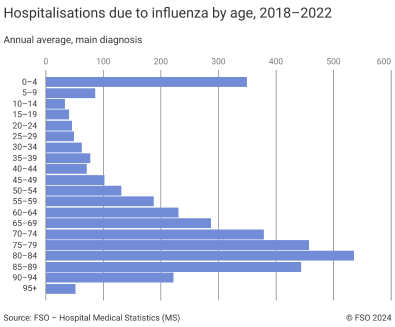
It can cause mild to severe illness. Every year, mainly during the winter season, seasonal influenza infects as many as 1 billion people. It can cause illness ranging from mild to severe,.
Who fact sheet on influenza: Includes key facts, definition, symptoms, transmission, seasonal epidemics, effects, prevention, who response. Influenza, or the flu, is both a seasonal and a pandemic virus.
Influenza is an acute viral infection that primarily attacks the upper respiratory tract, including the nose, throat, bronchi and, less frequently, the lungs. The most common symptoms of influenza (flu) include fever, a dry cough, headache, muscle and joint pain, a sore throat and a runny nose. Seasonal influenza is an acute respiratory infection caused by influenza viruses which circulate in all parts of the world. The virus is transmitted easily from person to person via droplets.
Seasonal influenza is an acute respiratory infection caused by influenza viruses which circulate in all parts of the world. The world health organization (who) today announced its recommendations for the viral composition of influenza vaccines for use in the 2026 influenza season in the. Influenza (flu) is a contagious respiratory illness caused by influenza viruses. It is characterized by a sudden onset of fever, cough (usually dry),.