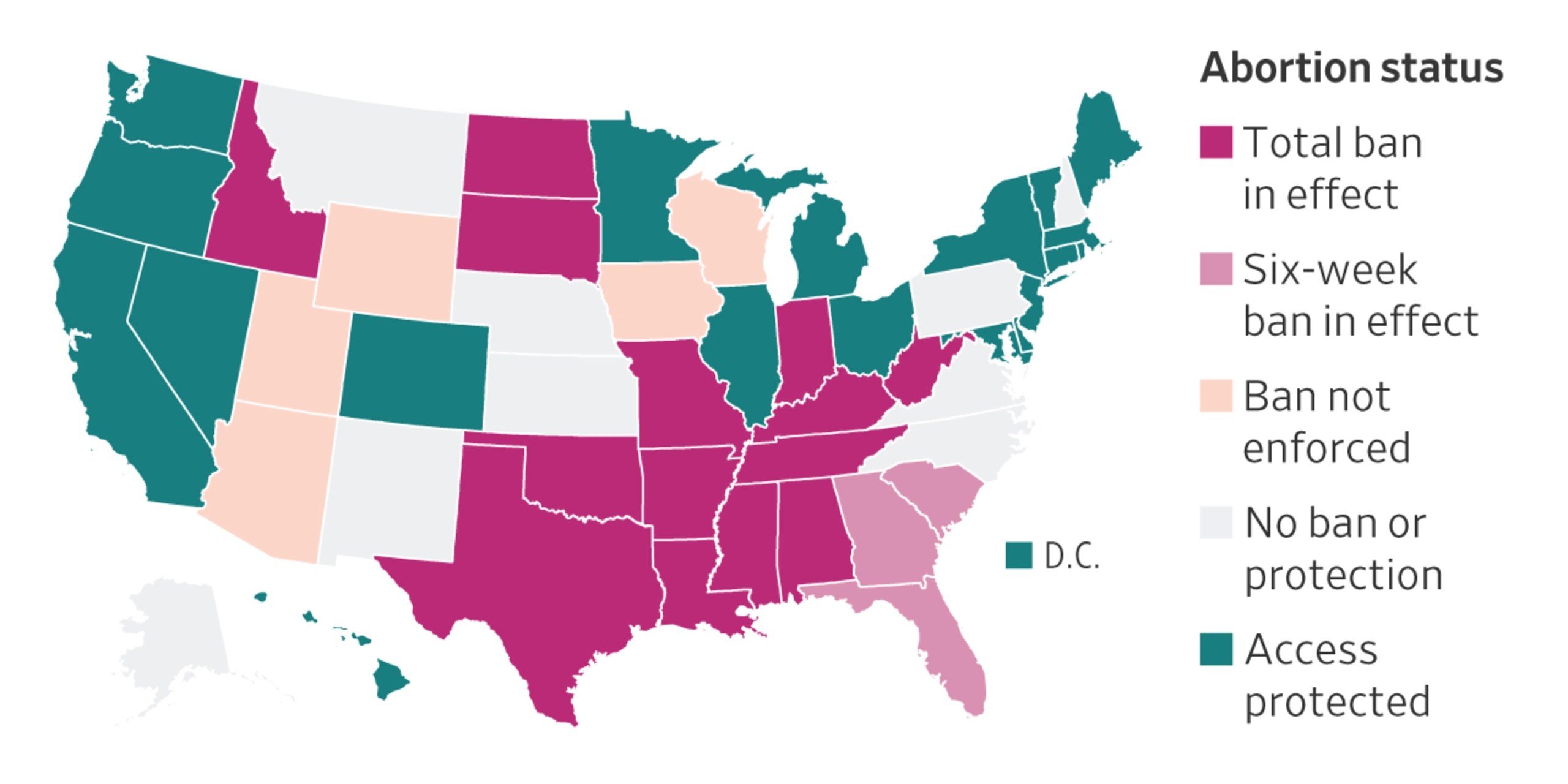
I Had To Drive Hours To Another State To Get An Abortion Becerra Federal Gov 'lookng N' Helpng Women Cross Lnes For
It is used to describe experiences one has had in the past (and that hence influence the experience with which you speak today), changes over time, uncompleted. Whether spoken or written, you can't tell. If i had have known.
For Millions of American Women, Abortion Access Is Out of Reach The
Both the auxiliary verbs would and had contract to 'd, usually with pronoun subjects: The had been form is known as the past perfect and pushes the events further back. It has been suggested in some quarters that had have, followed by a past participle, is a regionalism that has no place in standard english grammar.
Also Read:
How james while john had had had had had had had had had had had a better effect on the teacher is correct sentence?
I had had a hard day. In the last two weeks i haven't had much time, so i haven't got that quotation for you. So don't worry so much about how to use had had as a unit of. He'd, i'd, you'd, she'd, it'd, they'd, we'd.
Sentences in the past perfect tense have the following structure: For example, what is the difference between the following two sentences: I had a bad day i had had a bad day I would like to know in what kind of situations we should use this combination.

15 there's no special magic with had had , they don't really go together as a pair anymore than had wanted go together.
In the last two weeks i haven't had much time, but i expect to be able to address your question soon. is the appropriate response. It relates what happened at some time in the past to the situation at some other time in the. I have come across a few sentences that contain have had.