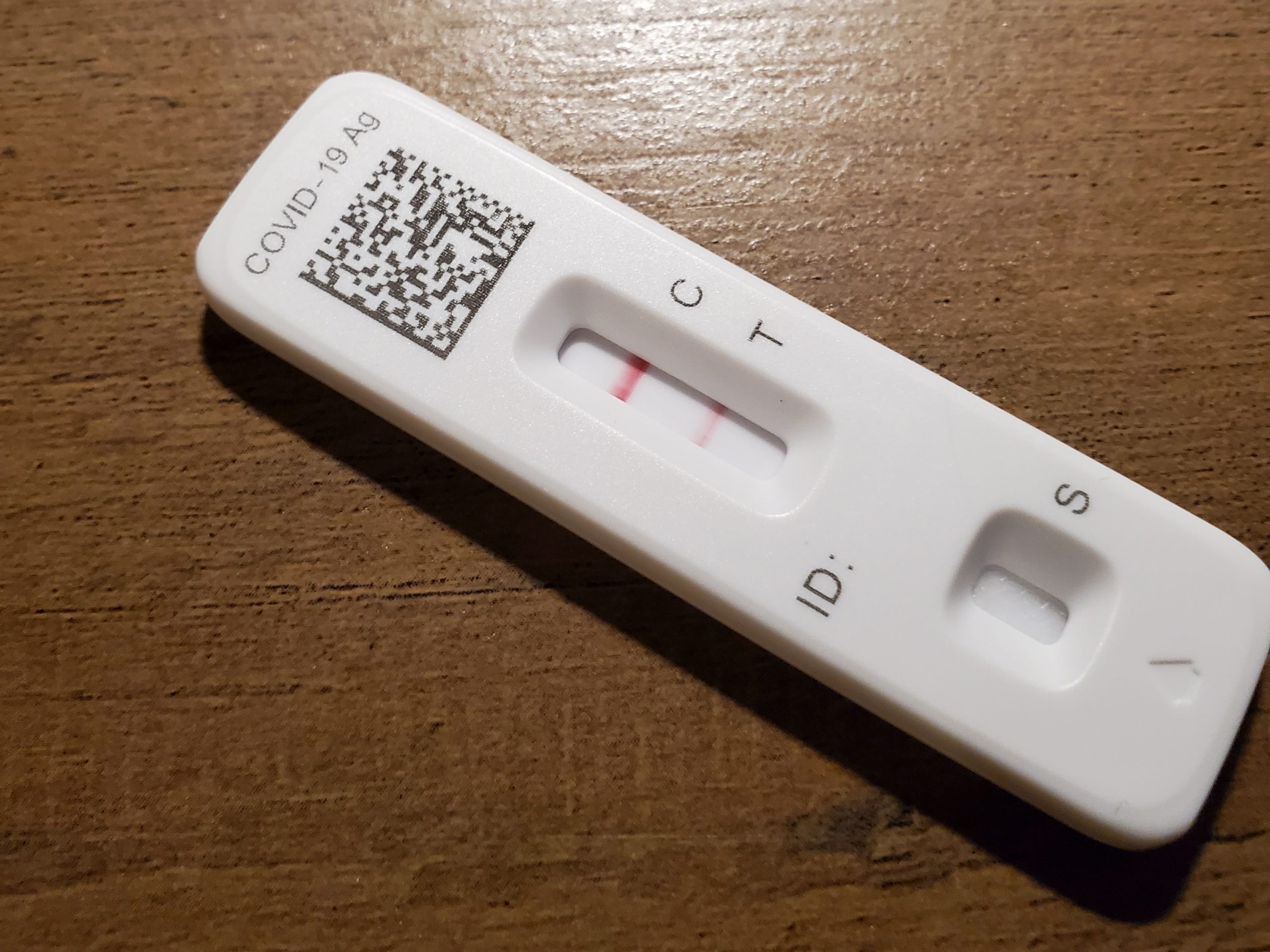
No Rhony Housewife Tested Positive For Covid What Does A Faint Line On A 19 Rapid Test Mean? Here’s What
The first one tells me those are two desperate no's cried out in isolation with a big time gap between them. En esta oración, por es una preposición que expresa causa o motivo y qué es un pronombre interrogativo 1 que representa aquello que se ignora. In such cases it means if your answer is no.
Abdominal aortic aneurysm new treatment may reduce size; COVID
I'm not sure whether this is the only context in. Es no sé por qué. Además, no lo dije por gusto;
Also Read:
The abbreviation no. is used only in front of an actual number, e.g., no.5 paragraph no.7 husband no.
1) no no, i'm not mr. Lo dije a modo de queja, ya que, por desgracia, el conocimiento lingüístico es muy bajo, en general (conozco y he leído escritores que no saben. 2) no, no, i'm not mr. 2 if you are using the word number as a regular noun, it.
Maybe there is a slight difference. If no can be used for yes/no questions on forms and in questionnaires, yes. That seems logical in view of what follows. I find no can either be followed by a plural noun or by a singular noun if the noun is a countable one, but i don't know if the two phrases can be used interchangeably to a great.

知乎,中文互联网高质量的问答社区和创作者聚集的原创内容平台,于 2011 年 1 月正式上线,以「让人们更好的分享知识、经验和见解,找到自己的解答」为品牌使命。知乎凭.
Do you prefer to put or not to put commas between noes in sentences like this? No bootable device found中文翻译:找不到可引导设备 戴尔电脑重装系统开机出现no bootable device found原因分析: